


Building exteriors are constantly exposed to changing weather conditions, pollution, and natural ageing. While many property owners focus on visible repairs, the early signs of facade deterioration often go unnoticed until they become expensive structural problems. A small crack, loose sealant, or discoloured section of cladding may not seem urgent today, but these minor issues can gradually affect the building’s safety, appearance, and performance.
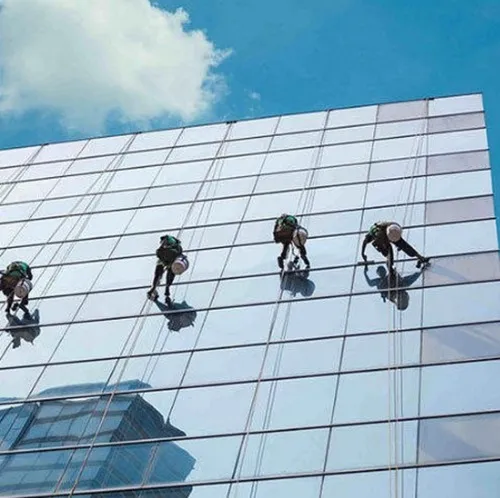
That’s why regular commercial facade maintenance Sydney should include scheduled inspections rather than waiting for defects to become obvious. In many cases, a professional rope access building survey Sydney provides the safest and most efficient way to assess high-rise facades without disrupting building occupants.
Your Building Is Constantly Sending Warning Signs
Commercial buildings rarely develop major defects overnight. Instead, problems appear gradually as construction materials respond to years of environmental exposure.
Property owners should pay attention if they notice:
-
Cracks spreading across rendered surfaces.
-
Rust stains running down concrete walls.
-
Loose or damaged facade panels.
-
Water marks around windows.
-
Peeling paint or bubbling coatings.
-
Vegetation growing from wall joints.
Although these issues may appear unrelated, they often indicate that the building requires a detailed condition assessment.
Why Visual Checks Aren’t Enough
It’s common for facility managers or maintenance staff to carry out basic visual inspections from ground level. While this can identify obvious defects, many critical areas remain impossible to examine properly without close access.
Upper-level balconies, facade joints, parapets, expansion joints, and external fixings often require a detailed inspection from within arm’s reach. Hidden defects in these locations may continue developing long before they become visible from the ground.
A professional rope access building survey Sydney allows qualified inspectors to examine these difficult-to-reach areas safely while documenting the condition of the building in detail.
What Happens During a Facade Survey?
Unlike a general visual inspection, a facade survey focuses on identifying both existing defects and areas that may require future attention.
During the assessment, inspectors typically evaluate:
-
Concrete condition.
-
External cladding systems.
-
Window sealants.
-
Expansion joints.
-
Surface coatings.
-
Signs of water penetration.
-
Structural movement.
-
Loose building elements.
Photographs, observations, and maintenance recommendations are usually included in the final report, helping property owners understand which repairs should be prioritised.
Why Rope Access Has Become the Preferred Inspection Method
High-rise inspections once relied heavily on scaffolding or elevated work platforms. While these methods remain useful in some situations, rope access has become a preferred solution for many commercial buildings because it allows inspectors to reach specific locations quickly and efficiently.
The advantages include:
-
Faster building access.
-
Minimal disruption to occupants.
-
Reduced setup requirements.
-
Easy access to complex architectural features.
-
More detailed close-up inspections.
Because technicians can move directly across the building facade, inspections are often completed more efficiently than traditional access methods.
Inspection Reports Make Future Maintenance Easier
One of the greatest benefits of scheduled inspections is the information they provide.
Rather than waiting until emergency repairs are required, property owners receive a clear overview of the building’s condition, allowing maintenance to be planned over time. This improves budgeting and helps prioritise repairs according to urgency rather than responding only when problems become visible.
Inspection reports also provide valuable historical records, making it easier to compare building conditions during future maintenance cycles.
Don’t Wait Until Defects Become Safety Risks
Loose facade materials, deteriorating sealants, and cracked concrete rarely repair themselves. As buildings continue to age, delaying inspections usually increases both repair costs and safety risks.
Regular commercial facade maintenance Sydney allows defects to be addressed while they remain relatively minor, reducing the likelihood of expensive restoration projects and helping maintain the building’s overall performance.
For commercial property owners, preventative inspections often prove to be one of the most cost-effective investments in long-term asset management.
Conclusion
Every commercial building tells a story through its exterior. Small cracks, stains, and deteriorating finishes are often early indicators of larger maintenance issues developing beneath the surface. Identifying these problems early helps property owners make informed decisions before significant repairs become necessary.
Combining regular commercial facade maintenance Sydney with a professional rope access building survey Sydney provides a practical way to monitor building condition, improve safety, and plan future maintenance with confidence. A proactive inspection program not only protects the building’s appearance but also helps preserve its structural integrity and long-term value.